
The Occult Theatre: Field Notes
Nonfiction micro-essays on the occult in history, religion, culture, and art.
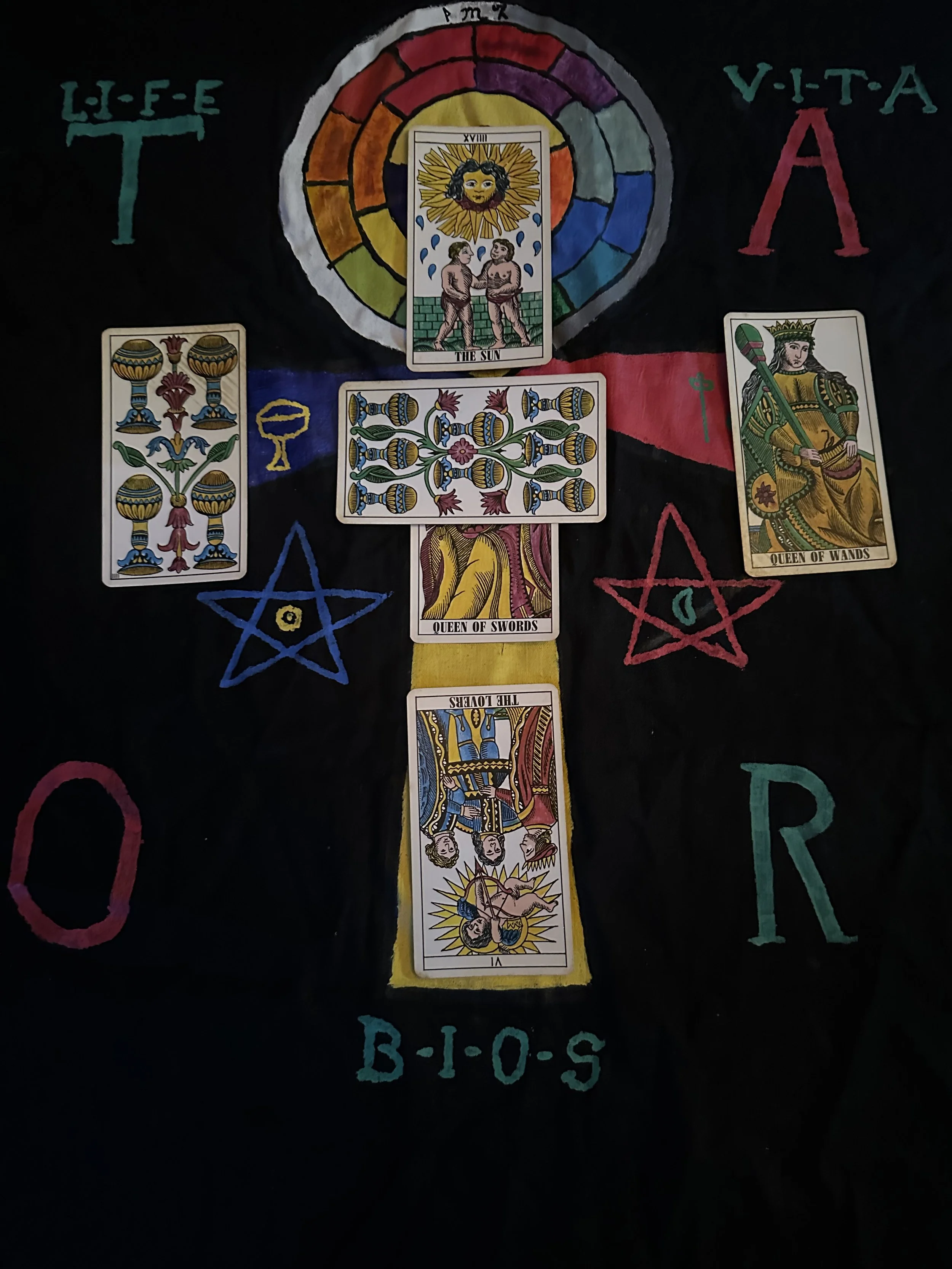
The Occult, Games, and Human Play: Part I, Consecrating the Playground
One of the most fascinating aspects of the occult is its tendency to transform ordinary things into sacred ones. Brooms become ritual tools. Rooms become temples. Games and play become gateways to spiritual experience.
A long and close relationship exists between the games, sports, and performances people turn to for entertainment, and the sacred arts and rituals that ceremonial magicians, witches, and esoteric priestesses use in their spiritual and magical work.
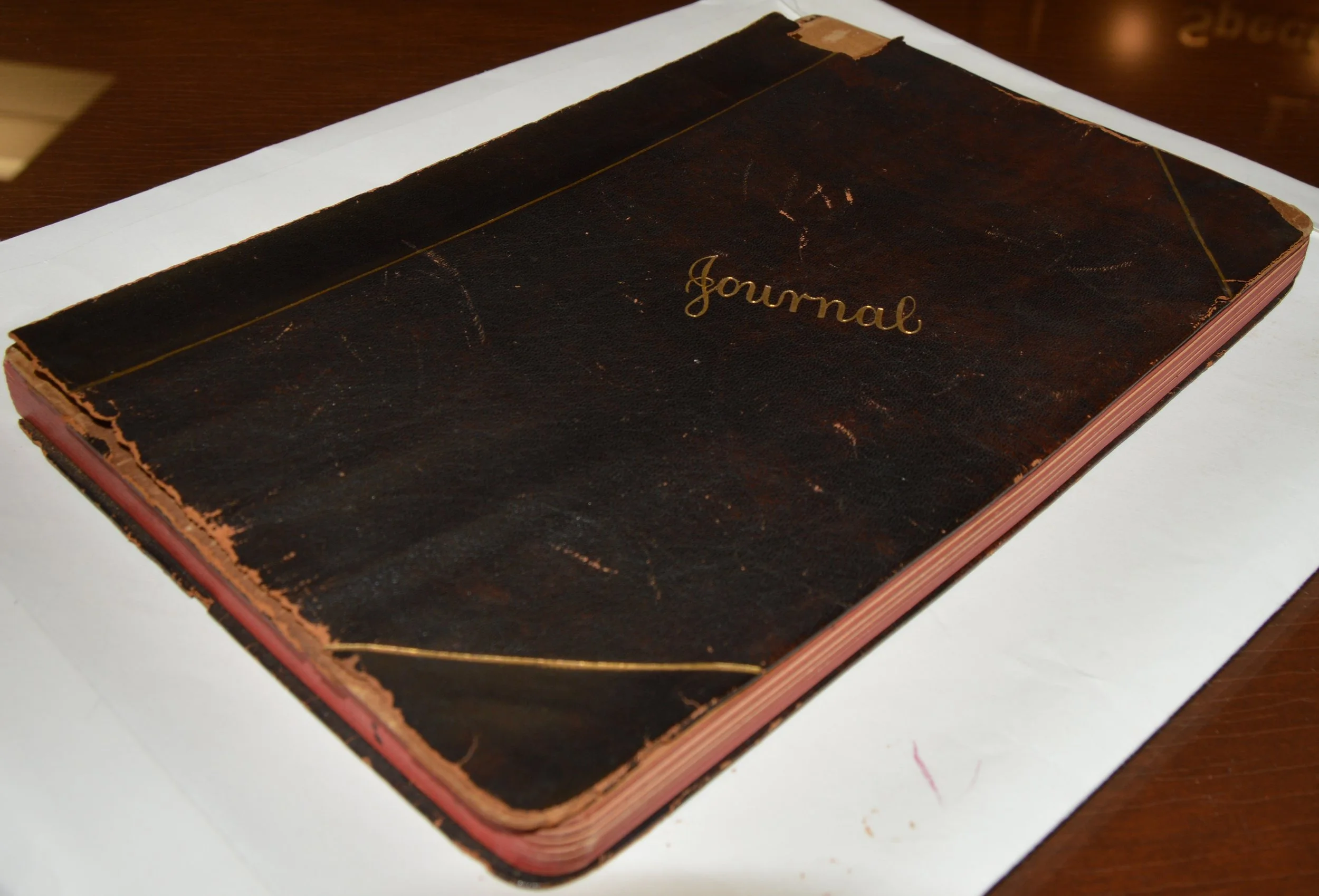
The Journal of a Methodist Minister and Accidental Occultist, Part I: Arrival of The Spirit Guide
Sinclair's journal is one of the hidden gems of American occultism. In addition to its supernatural content (which often borders on the psychedelic in its strange imagery), Sinclair's journal reveals his ongoing negotiation between the visions he was having and the theological doctrines of the Methodist Episcopal Church.
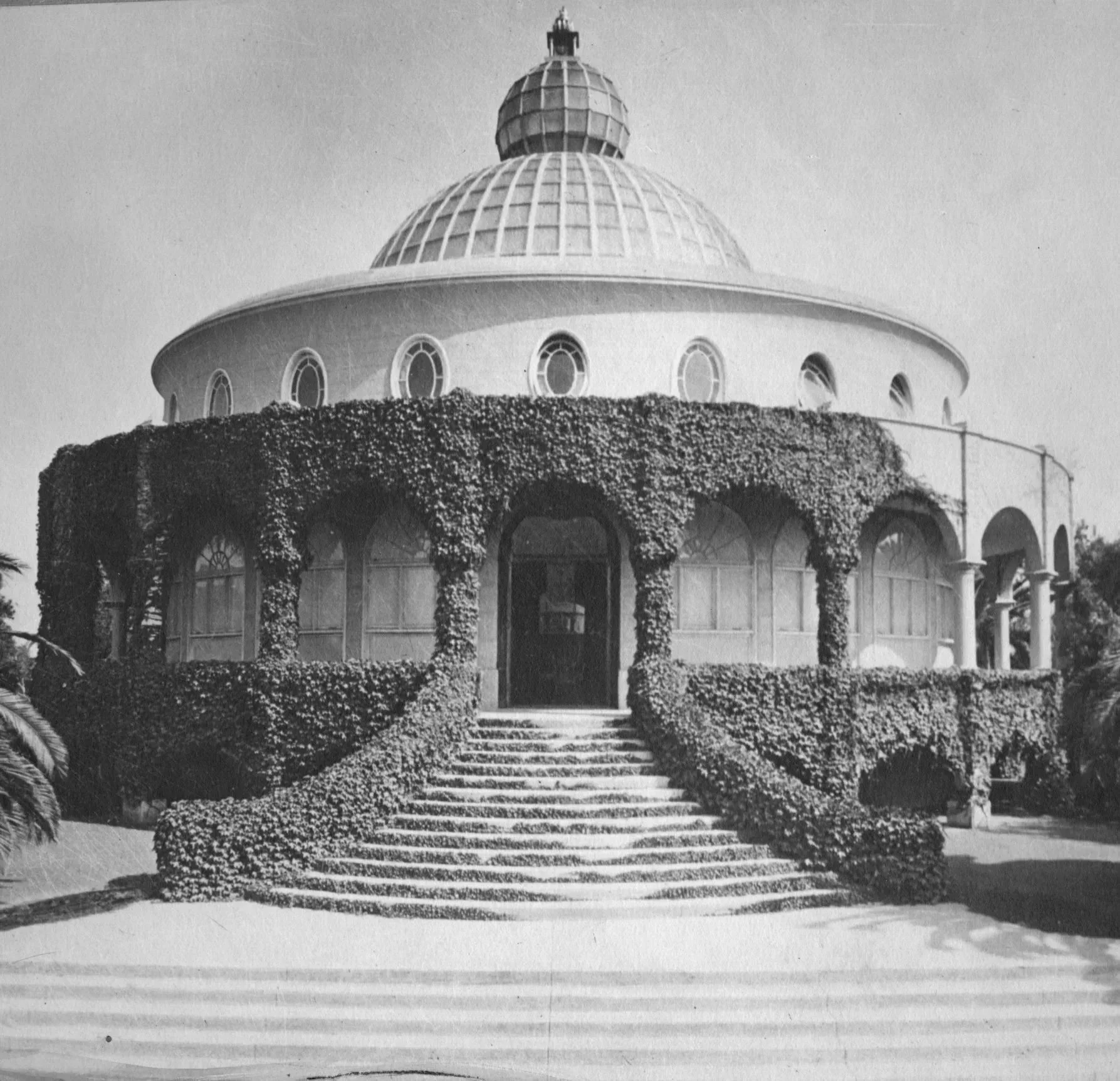
Katherine Tingley and the Theatre of Transformation at Lomaland
Long before contemporary celebrities of affirmation, manifestation, and positive thinking began to appear in the late twentieth century, Emma Curtis Hopkins (1849–1925) offered the positive affirmation as a spiritual and practical tool for turning desires into lived realities.
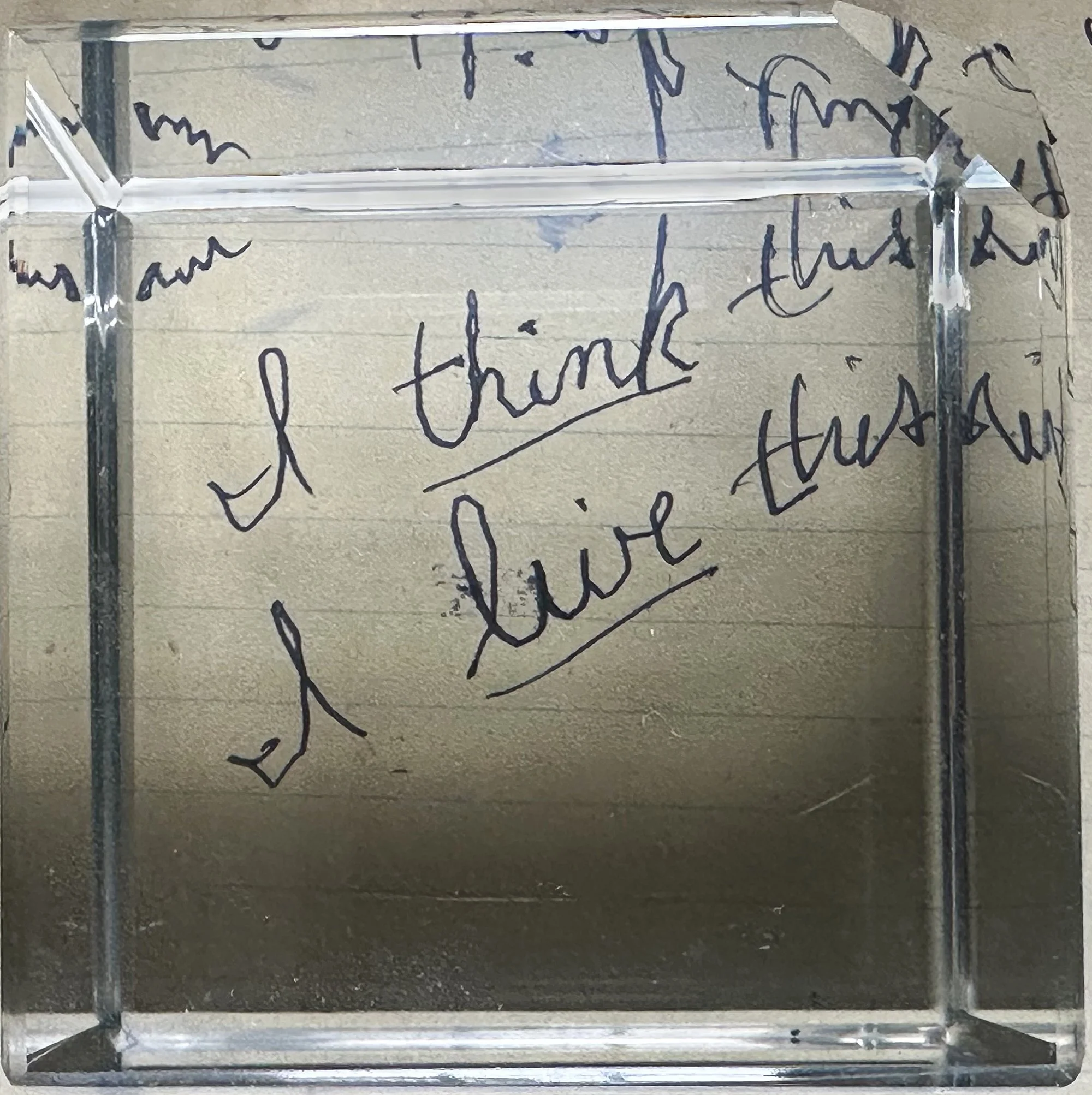
Emma Curtis Hopkins and the rise of the positive affirmation
Long before contemporary celebrities of affirmation, manifestation, and positive thinking began to appear in the late twentieth century, Emma Curtis Hopkins (1849–1925) offered the positive affirmation as a spiritual and practical tool for turning desires into lived realities.